Pre-Clinical
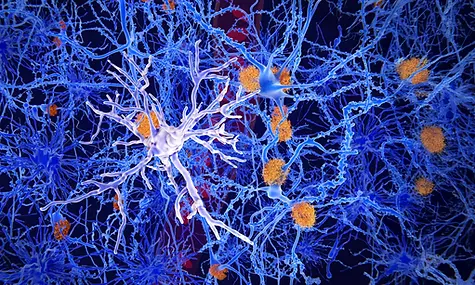
Researchers have identified special immune cells in the brain that help slow Alzheimer's
By The Mount Sinai Hospital / Mount Sinai School of Medicine
(Shutterstock)
8 November 2025
As Parkinson's Disease progresses, harmful proteins clumps build up in the brain, blocking communiations between neurons and killing them off - but what if we could prevent these clusters from forming?
By David Nield

(Lars Neumann/iStock/Getty Images Plus)
17 October 2025
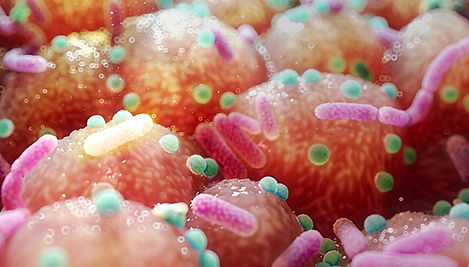
Researches have suspected the link between our gut and brain plays a role in the onset of Parkinson's disease
By Tessa Koumoundouros
(nanoclustering/Science Photo Library/Getty Images)
25 November 2025
Growing evidene suggests the key to treating Alzheimer's is catching it in its earliest stages.
By David Nield

(Juan Gaetner/Science Photo Library/Getty Images)
23 December 2025

(Mehau Kulyk/Science Photo Library/Getty Images)
29 June 2025
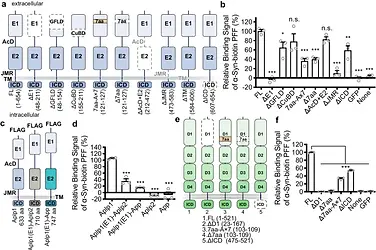
Scientists have uncovered a surprising protein partnership that may act as the gateway for Parkinson’s to spread between brain cells. Disrupting this link could open new paths to halting neurodegeneration.
By Xiaobo Mao
29 June 2025
Scientists have identified a type of neural stem cell (pNSC) that exists outside the brain and spinal cord, this opens possibilities for development of therapies for neurodegenerative diseases.

Research by Dong Han et al., published in Nature Cell Biology (2025).
The discovery of pNSCs outside the CNS suggests a previously unrecognised level of cellular plasticity within the nervous system. Credit: Neuroscience News
April 11, 2025